Sponges are typically not the first item you think of when looking for non toxic swaps. However traditional cleaning sponges are commonly made of polyurethane or polyethylene. Both of these products contain BPA’s, phthalates, triclosan, and volatile organic compounds (VOC’s). These compounds can negatively affect human health in various ways. Some of which include:
Reproductive issues
Developmental problems
Increased cancer risk
Liver toxicity
Thyroid disruption
Respiratory issues
Skin irritation
Environmental concerns (potentially negatively impacts aquatic ecosystems when chemicals are washed down the drain via sponge).
Why Are Natural Sponges Better?
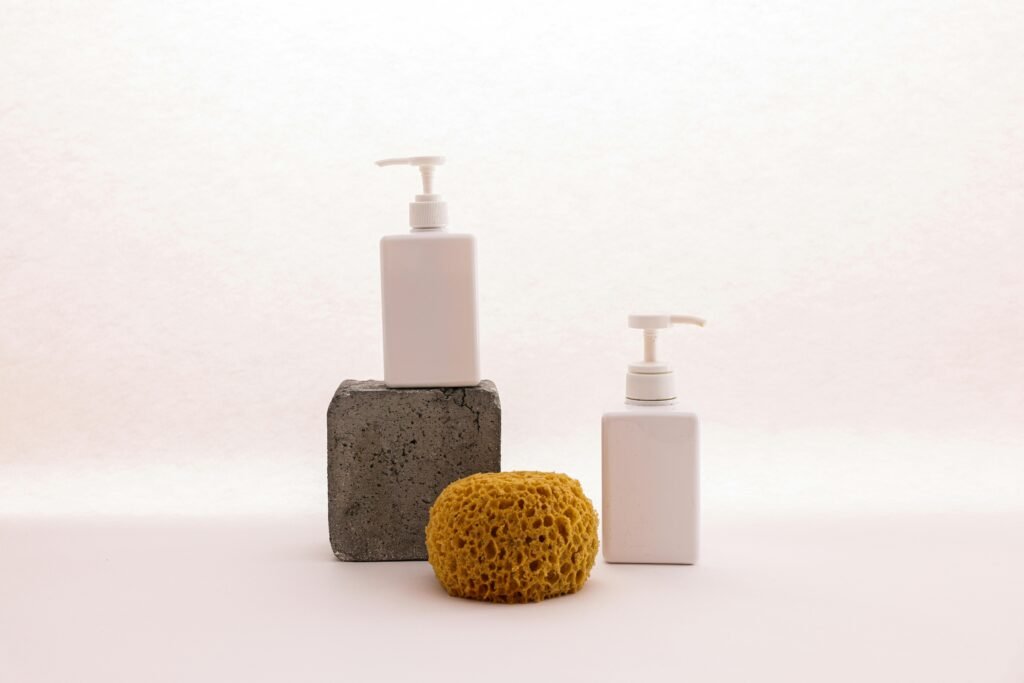
Natural sea sponges are free from synthetic dyes, chemicals, and fragrances, making them a wiser choice for those seeking a healthier alternative. In addition to this, many family households have to accommodate members that might have sensitive skin, allergies, or eczema. Natural sea sponges are a great option, as they are hypoallergenic, soft, and resistant to bacterial growth due to naturally produced enzymes.
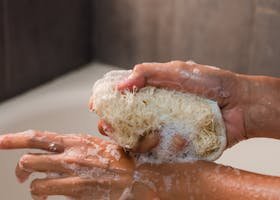
Another alternative to traditional plastic sponges, are natural loofahs. These are more cost effective than a natural sponge, but do come with some downsides. Natural loofahs are much more abrasive than sponges, making them a less ideal option for everyday bathing. They can also be more prone to mold, but this can be avoided with proper drying after each use. Below are some recommendations for each!